


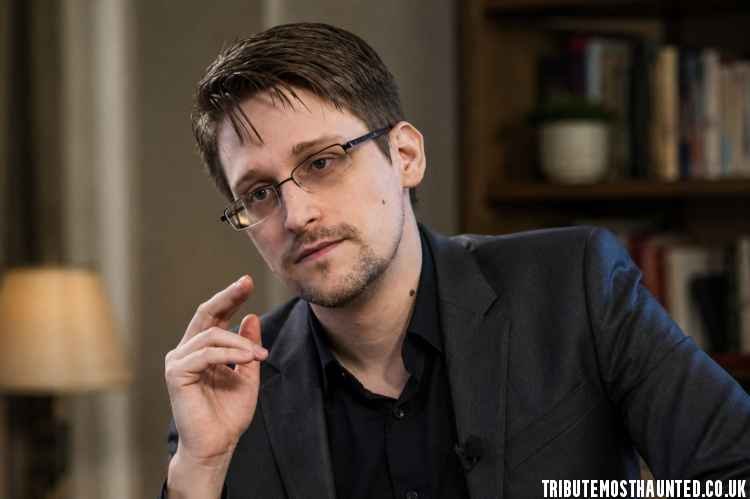
Edward Snowden remains one of the most controversial figures of the digital age. Since leaking classified NSA surveillance documents in 2013, Snowden has become a global symbol of the debate between privacy and national security. To supporters, he exposed illegal mass surveillance and defended civil liberties. To critics, he endangered intelligence operations and violated U.S. law.
Now living in Moscow, Russia, as a Russian citizen since 2022, Snowden continues to influence conversations about encryption, government surveillance, cybersecurity, and digital rights in 2026.
Who Is Edward Snowden? Quick Biography 2026

| Field | Information |
|---|---|
| Full Name | Edward Joseph Snowden |
| Born | June 21, 1983, Elizabeth City, North Carolina |
| Known For | NSA whistleblower who leaked classified surveillance files |
| Former Roles | CIA employee, NSA contractor via Dell & Booz Allen Hamilton |
| Charges | Espionage Act violations & theft of government property |
| Asylum | Russia since 2013 |
| Citizenship | Granted Russian citizenship in 2022 |
| Book | Permanent Record (2019) |
| Family | Wife Lindsay Mills, son born in Russia |
| Current Status | Privacy advocate and virtual speaker |
Snowden’s story transformed him from an unknown intelligence contractor into one of the most recognized names in modern political history.
The 2013 NSA Leaks That Changed the Internet Forever
The first major Snowden revelation appeared in The Guardian on June 5, 2013. The report exposed how the National Security Agency (NSA) collected phone metadata from millions of Americans.
Days later, additional leaks revealed PRISM, a surveillance system allegedly allowing intelligence agencies access to data from major tech companies including:
- Apple
- Microsoft
- Yahoo
Programs Snowden Exposed
Snowden’s leaked documents uncovered several controversial intelligence operations:
- Bulk phone metadata collection
- PRISM surveillance
- XKeyscore internet monitoring
- Monitoring foreign leaders including Angela Merkel
- Cooperation between the NSA and the Five Eyes alliance
One of the biggest consequences came in 2020 when a U.S. appeals court ruled the mass surveillance program Snowden exposed was illegal and likely unconstitutional.
Snowden argued the public deserved to know how deeply governments monitored digital communications.
How Edward Snowden Ended Up in Russia
In May 2013, Snowden left Hawaii and traveled to Hong Kong after copying classified NSA files while working for Booz Allen Hamilton.
On June 9, 2013, he publicly revealed himself as the source behind the leaks, stating:
“I have no intention of hiding who I am because I know I have done nothing wrong.”
The U.S. government quickly charged him with:
- Theft of government property
- Unauthorized communication of classified information
- Espionage Act violations
Snowden attempted to seek asylum in Latin America, but while traveling through Sheremetyevo Airport in Moscow, the U.S. revoked his passport.
Stranded in Russia, he remained in the airport transit zone for over a month before receiving temporary asylum in August 2013.
He later gained:
- Permanent residency in 2020
- Russian citizenship in September 2022
Edward Snowden’s Life in Russia in 2026

Snowden now lives quietly in Moscow with his wife Lindsay Mills and their son, who was born in 2020.
Despite exile, Snowden remains highly active online and regularly appears at:
- Cybersecurity conferences
- Privacy summits
- Digital rights events
- University lectures via video call
Will Snowden Be Drafted Into the Russian Army?
After Russia’s military mobilization in 2022, social media users joked about whether Snowden would be drafted.
His lawyer clarified that Snowden would not be called into military service because he never served in the Russian armed forces.
Snowden continues to advocate for:
- Encryption
- Online anonymity
- Press freedom
- Government transparency
- Anti-surveillance protections
Hero or Traitor? The Debate Continues in 2026
The public remains deeply divided over Edward Snowden.
Why Supporters Call Him a Hero
Supporters argue Snowden exposed illegal government activity and protected civil liberties worldwide.
They point to:
- Court rulings declaring NSA programs unlawful
- Increased awareness of digital privacy
- The global rise of encrypted communication
Snowden famously said:
“Arguing that you don’t care about privacy because you have nothing to hide is no different than saying you don’t care about free speech because you have nothing to say.”
Many privacy advocates believe Snowden sacrificed his freedom to reveal truths the public deserved to know.
Why Critics Call Him a Traitor
Critics argue Snowden damaged intelligence operations and endangered national security by leaking classified material.
U.S. officials maintain he should return and stand trial under the Espionage Act, where he could face decades in prison.
The fact that he ultimately settled in Russia remains one of the most controversial aspects of his story.
Snowden’s Lasting Impact on Privacy & Technology
Few whistleblowers have changed the internet as dramatically as Edward Snowden.
What Changed After Snowden’s Leaks
Following the 2013 revelations:
- HTTPS encryption became standard
- Apps like Signal and WhatsApp strengthened end-to-end encryption
- Privacy-focused browsers and VPNs exploded in popularity
- SecureDrop platforms improved whistleblower journalism
- Tech companies became more transparent about data requests
Snowden’s leaks accelerated global conversations about:
- Digital surveillance
- Data collection
- Government oversight
- Corporate privacy abuse
His influence can still be seen across cybersecurity culture in 2026.
Could Edward Snowden Ever Return to America?
As of 2026, Snowden remains wanted by U.S. authorities.
Prediction markets like Polymarket occasionally track whether a future U.S. president — including Donald Trump — could pardon him.
While some politicians support clemency, others insist Snowden should face prosecution.
Snowden himself continues defending his actions publicly, saying:
“When exposing a crime is treated as committing a crime, you are being ruled by criminals.”
For now, his return to the United States appears unlikely.
Conclusion
Edward Snowden permanently changed how the world views privacy, surveillance, and government power. His 2013 NSA leaks exposed hidden intelligence programs and triggered one of the largest public debates of the digital era.
Whether viewed as a whistleblower hero or a national security traitor, Snowden’s impact is undeniable. From the rise of encrypted messaging apps to global skepticism about mass data collection, modern internet culture still reflects the consequences of his disclosures.
In 2026, living in Moscow as a Russian citizen, Edward Snowden remains at the center of global discussions about freedom, technology, and the true cost of surveillance.