


Introduction
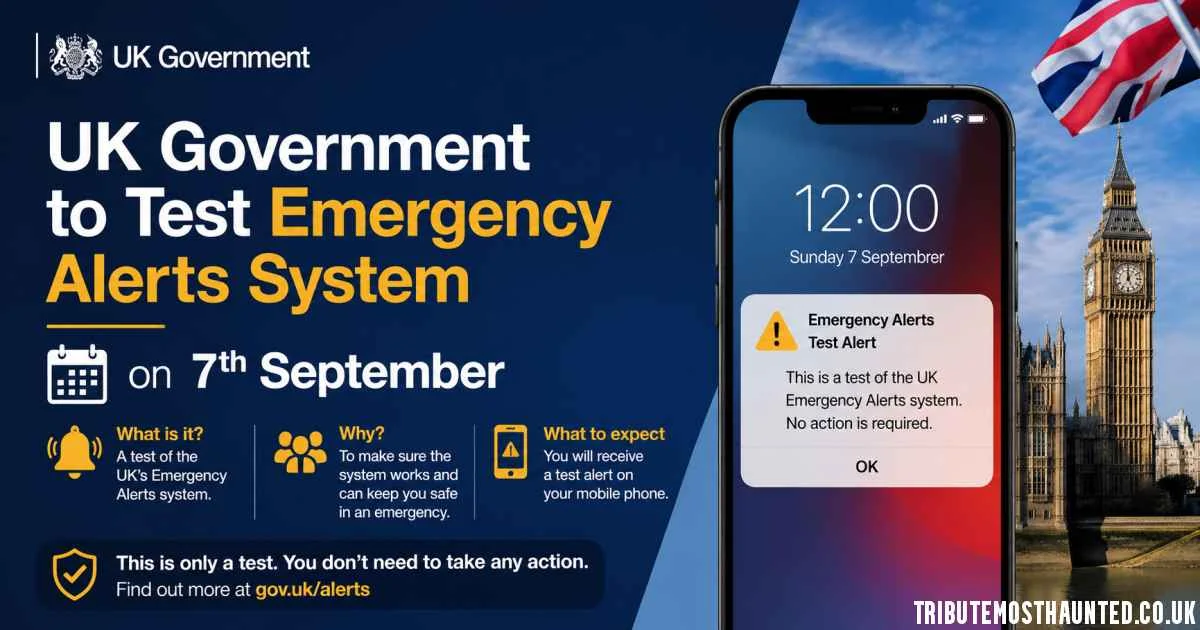
UK Government to Test Emergency Alerts System on 7th September: The second national test of the Emergency Alerts system will be run by the UK Government on Sunday, 7 September 2026 at 3:00pm. The alert is expected to be received by around 87 million compatible 4G and 5G mobile phones and tablets in the UK. The nationwide test is intended to verify that the system functions properly in case of a life-threatening event, such as severe weather, flooding, wildfire or a terrorist attack.
What can we expect to see in the Emergency Alert Test?
There will be a test Emergency Alert at approximately 3:00pm Sunday, 7 September 2026, which will automatically be sent to compatible mobile devices.
The alert will:
- Rattle and make a high-pitched siren noise for about 10 seconds (even if the phone is muted).
- Show a message on screen saying that it is a test and nothing has to be done.
- Overrides accessibility settings; works with screen magnification and screen readers; may read the message aloud—even when the device is not loud.
The alert is meant to grab the attention of the user similar to a home smoke alarm, to ensure that critical alerts are heard during an actual emergency.
The Emergency Alert Message sent by the officials is the Official Emergency Alert Message.
In the message (which has been confirmed by Chancellor of the Duchy of Lancaster Pat McFadden), it will read:
“This is a test of Emergency Alerts, a UK government service that will warn you if there’s a life-threatening emergency nearby. You do not need to take any action. In a real emergency, follow the instructions in the alert to keep yourself and others safe. Find simple and effective advice on how to prepare for emergencies at gov.uk/prepare. Visit gov.uk/alerts for more information or to view this message in Welsh. Ewch i gov.uk/alerts am ragor o wybodaeth neu i weld y neges hon yn y Gymraeg.”
The message will not have more than 100 words and will be used solely to educate the public about the operation of the system.
The UK is testing the Emergency Alerts System again, why?
The test will be the second nationwide Emergency Alerts test, after a successful nationwide test in April 2023. The government has pledged to conduct regular testing to ensure the technology is reliable, and that the public will recognize the alerts when they are needed.
Pat McFadden says the system could save lives by providing critical safety data in a timely fashion during events like:
- Extreme storms
- Major flooding
- Large fires
- Terrorist incidents
- Other life-threatening emergencies
As in countries such as Japan and the United States which have emergency alert systems regularly tested, so too will the situation be with routine testing.
The Emergency Alerts System has already been used in a variety of ways.
The Emergency Alerts system has been activated five times during real emergencies to date, since its launch in April 2023:
- Alerts issued to 4.5 million phones in Scotland and Northern Ireland during a red weather warning issued during Storm Éowyn (January 2025) were the largest ever.
- Storm Darragh (December 2024): Around 3.5 million people in Wales and South West England received severe weather alerts.
- Plymouth WWII Bomb (February 2024): 500kg unexploded World War II bomb was found and dropped an approximate of 50,000 phones were alerted.
- Cumbria Flooding (May 2024): 15,000 devices issued with flood warnings.
- Leicestershire Flooding (January 2025): Around 10,000 phones were alerted to flooding emergencies.
Pat McFadden was granted permission to activate the alert as part of Storm Éowyn to ensure that the public is protected during hazardous weather.
The following sets out the details of who will receive the alert and what they should do in case of a warning.
The test will be sent to all compatible 4G and 5G smartphones and tablets, which is an estimated 87 million across the UK.
The government recommends the following prior to the test:
- No action is necessary when you receive the alert – the alert is only a message to dismiss.
- Never read the message while driving! Stop legally and safely before reading it.
- Users who choose to use a hidden phone as well as some survivors of domestic abuse can opt-out of Emergency Alerts by using guidance located at gov.uk/alerts/opting-out.
- Those who do not have compatible mobile devices will continue to get emergency messages via television, radio and emergency services.
Accessibility Features and Public Awareness Campaign
The government is conducting a publicity campaign before the test, so that everyone will know what to expect.
Information can be found via:
- British Sign Language (BSL) videos.
- Easy Read guides
- Audio versions
- English and Welsh posters are available.
The Emergency Alert system is conceived to be very accessible. The unique siren can help those using a hearing aid, and the screen reader will read the alert out loud for users who are unable to see the screen.
What Does the Test Mean?
After reading the message, just ignore it and go about your day. The government states that Emergency Alerts can only be sent by approved government sectors and emergency services in true emergencies.
Routine testing ensures that the system continues to operate as intended, and will inform the public how alerts will look when they are truly needed in an emergency.
Conclusion
Find more tips on how to prepare for emergencies on gov.uk/prepare and for more details about the Emergency Alerts system, look at gov.uk/alerts.