


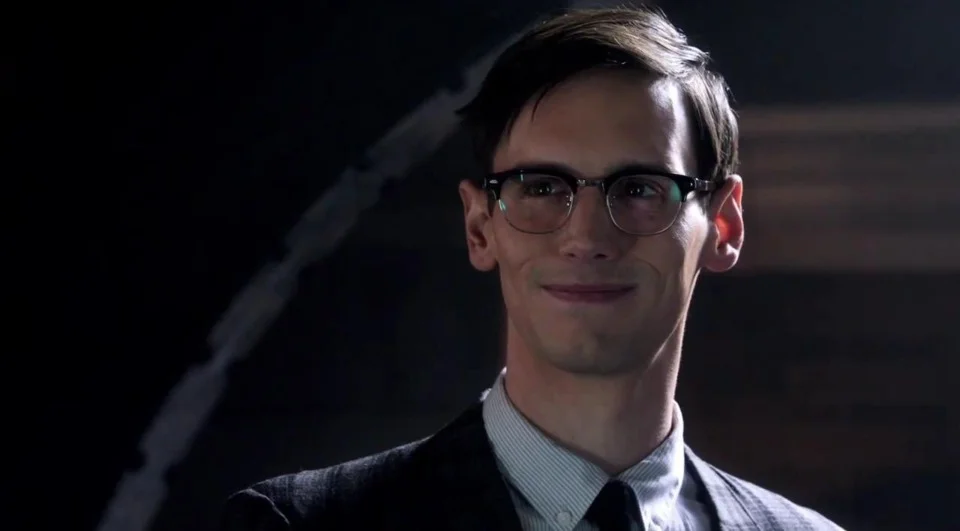
Who Is Edward Nigma in the Batman Universe?
Nigma Batman: Edward Nigma, also known as Edward Nashton or his criminal alias The Riddler, is one of Batman’s most intelligent and psychologically complex enemies. Introduced by Bill Finger and Dick Sprang in Detective Comics #140 (1948), The Riddler has become a core figure in Gotham City’s rogues’ gallery.
The name Nigma (from “enigma,” meaning puzzle or mystery) perfectly captures his obsession with riddles, logic, and mental superiority. Unlike many of Batman’s physically imposing villains, Nigma challenges the mind, pushing the Dark Knight to solve intricate puzzles to prevent chaos.
He’s characterized by:
-
Brilliant intellect and narcissism
-
Signature green suit, often covered in question marks
-
A compulsion to prove he’s smarter than Batman
-
His iconic catchphrase: “Riddle me this!”
Over the decades, Edward Nigma has evolved from a comic book trickster to a symbol of obsessive genius and moral decay, representing how intelligence without empathy leads to destruction.
The Psychological Connection Between Nigma and Batman
The relationship between Nigma and Batman goes far beyond hero versus villain. It’s a psychological chess match, where each man mirrors the other’s obsession with logic, order, and control.
While Batman uses his intellect and detective skills to protect Gotham, Nigma uses his to manipulate and challenge. In many stories, The Riddler sees himself as Batman’s equal — or even superior — believing only he truly understands the Dark Knight’s intellect.
Key Psychological Themes:
-
Obsession with validation: Nigma’s crimes are cries for recognition; he wants Batman to see him as a worthy opponent.
-
Mirror image of Batman: Both characters are geniuses, but one uses his intellect for justice, the other for ego.
-
The need for control: Nigma’s riddles create structured chaos — problems only he can solve, until Batman outsmarts him.
In some modern interpretations, Nigma even shows admiration or envy toward Batman. He wants to be him, yet his arrogance always ensures failure. This layered rivalry makes Nigma one of the most fascinating characters in the entire Batman mythos.
Nigma’s Evolution in Comics, Movies, and Games
The portrayal of Edward Nigma has evolved significantly over the decades, shifting from a campy villain to a dark, methodical mastermind.
1. Comics:
In the Golden and Silver Ages, The Riddler was often a playful trickster, leaving clues after his crimes. But in later years — especially during the Arkham and New 52 storylines — he became a brutal, calculating terrorist, using his intellect as a weapon of destruction.
2. Television and Film:
-
Frank Gorshin (1960s “Batman” TV Show): Known for his flamboyant laugh and bright green costume, his portrayal set the tone for early depictions.
-
Jim Carrey (Batman Forever, 1995): Delivered a manic, energetic version of Nigma, portraying him as an eccentric genius obsessed with Bruce Wayne’s intelligence.
-
Paul Dano (The Batman, 2022): Redefined the character for modern audiences. His version of Edward Nashton/Nigma was a serial killer inspired by the Zodiac, using riddles and online followers to expose Gotham’s corruption.
3. Video Games:
In the Batman: Arkham series, Nigma appears as a digital-age genius, challenging Batman through hundreds of puzzles and traps. His taunts and recordings test not only the player’s mind but also the idea of what it means to be the world’s greatest detective.
From comic panels to film screens, Nigma’s evolution mirrors the darker tone of modern storytelling — intelligent, dangerous, and disturbingly human.
The Meaning Behind Nigma’s Riddles
Every riddle posed by Edward Nigma carries deeper meaning. His puzzles are more than simple games; they’re psychological warfare — a way to prove dominance over Batman and anyone who dares challenge his intellect.
Common Themes in His Riddles:
-
Duality: Reflecting Nigma’s internal struggle between good and evil.
-
Identity: Many riddles force Batman to confront his own hidden fears.
-
Control and Order: Nigma uses riddles as structured chaos — a world where he is always in control.
For instance, in The Batman (2022), Nigma’s riddles expose Gotham’s moral corruption, turning his crimes into a twisted form of justice. This shows that, in his own mind, Nigma isn’t just a villain — he’s a reformer, exposing hypocrisy through terror.
This balance between intelligence and insanity makes his character deeply symbolic. He represents what happens when logic loses its humanity — when intellect becomes a tool for cruelty instead of enlightenment.
Nigma and Batman in Popular Culture
The pairing of Nigma and Batman has become one of the most recognized duos in popular culture. Their battles are featured in countless comics, animated series, and games, each exploring new depths of their rivalry.
Notable Appearances:
-
Batman: The Animated Series (1990s) — showcased a calm, corporate-style Riddler obsessed with puzzles.
-
Gotham (TV, 2014–2019) — actor Cory Michael Smith portrayed Edward Nigma as a forensic scientist whose descent into madness transformed him into The Riddler.
-
The Batman (2022) — Paul Dano’s chilling portrayal turned Nigma into a realistic psychological villain, using online anonymity and symbolism to mirror modern-day extremism.
These interpretations all share one theme: intellectual obsession. Whether as a charming puzzle master or a deranged genius, Edward Nigma embodies the idea that intelligence without empathy becomes monstrous.
In modern fandom, Nigma has become both a meme and a metaphor — representing how curiosity and intellect can turn dangerous when driven by ego.
Why Nigma Remains One of Batman’s Greatest Rivals
Few villains challenge Batman’s mind the way Nigma does. While others rely on brute force, The Riddler tests the very foundation of who Batman is — the detective, the thinker, the symbol of order.
Reasons He Endures:
-
Intellectual Parity: He is one of the few capable of truly matching Batman’s intelligence.
-
Moral Reflection: His actions force Batman to confront his own obsession with control.
-
Cultural Relevance: Modern reinterpretations keep Nigma’s message fresh — knowledge without wisdom is dangerous.
Ultimately, Nigma’s war with Batman is not just physical — it’s ideological. It asks one of fiction’s greatest questions:
“If intelligence defines us, what happens when it destroys us?”
This is why Edward Nigma — The Riddler — continues to fascinate audiences decades after his creation, standing as a brilliant, tragic reflection of the very hero he seeks to outsmart.
Conclusion
The rivalry between Nigma and Batman is more than hero versus villain — it’s order versus chaos, humility versus arrogance, purpose versus obsession.
From classic comics to The Batman (2022), Edward Nigma’s evolution has shown that intellect can be both a gift and a curse. He remains one of the most intelligent, haunting, and psychologically layered characters in the DC Universe — a man whose need to be understood ultimately leads to his downfall.
In every era, one truth remains:
Batman may solve Nigma’s riddles, but the greatest puzzle of all is Nigma himself.
FAQs
1. Who is Edward Nigma in Batman?
Edward Nigma, also known as The Riddler, is one of Batman’s most intelligent and cunning enemies, obsessed with puzzles and riddles.
2. Is Nigma the same as Edward Nashton?
Yes. In some adaptations, including The Batman (2022), his original name is Edward Nashton, later changed to Edward Nigma (or Nygma).
3. Why does Nigma challenge Batman?
He sees Batman as his only intellectual equal and uses riddles to prove his superiority.
4. Who played Nigma in movies?
Notably Jim Carrey (Batman Forever, 1995) and Paul Dano (The Batman, 2022).
5. What does the name “Nigma” mean?
It comes from “Enigma,” meaning mystery or puzzle, symbolizing his obsession with riddles.