



A long-haul flight may feel like eight or more hours of free time, but for most people it produces very little real rest. The cabin hum, seatbelt signs, trolleys, lights, and dry air all work against the body while your schedule is still tied to another time zone. Small changes can make the journey genuinely restful when they are planned before takeoff. Some travellers now rely on a pair of earbuds for sleeping because they can add calming sound and soften the constant cabin noise without bulky headphones. In this article, we explain how to get better sleep on a long-haul flight and how to adjust more easily after landing.
Understand What Makes In-Flight Sleep Hard
Why the Cabin Keeps Your Body Alert
An aeroplane cabin is rarely quiet because engines, air conditioning, service carts, and other passengers create a low level of sound throughout the night. The upright seat and narrow space limit comfortable positions, so the body stays tense even when you close your eyes. Bright lights, dry air, and frequent announcements also make it difficult to reach the deep stages of sleep that restore energy. This is why a short doze on a plane can still leave you feeling heavy and disoriented. Once you accept these limits, the goal becomes capturing the best possible rest rather than expecting a perfect night.
How Jet Lag Changes the Problem
Long-haul travel disrupts more than sleep on the plane because the body clock still follows the time at home after you land. A flight that crosses several time zones creates a mismatch between your internal rhythm and the local schedule. Waking up too early, feeling hungry at odd hours, and struggling to stay awake in the afternoon are all common signs of that mismatch. The journey matters as much as the arrival, so choices about caffeine, meals, and sleep on board should be made with the destination time in mind. A rough plan for the first day helps the body adjust sooner.
Build a Comfortable On-Board Routine
Set Up Your Seat Before the Cabin Goes Quiet
Start preparing as soon as you board so the sleep environment is ready before you feel tired. Put your pillow, blanket, eyeshade, and personal audio within reach, then choose a seat position that keeps your neck supported. Wear layers that are easy to remove because cabin temperatures often change during the night. Set your watch or phone to the destination time and dim your screen before the main lights go off. These small actions tell your body that it is time to sleep and reduce the disruption of later preparations.
Use Familiar Sounds and Relaxed Movements
A familiar bedtime sound can make a strange seat feel more predictable because your brain associates the audio with rest at home. Choose a steady sound or calm music that you can ignore, and keep the volume low enough for comfort. Avoid dramatic films, tense news, and bright games during the period you want to sleep because they keep the mind engaged. Stand up, stretch, and walk carefully at intervals so your muscles do not become stiff, but keep the routine calm near your planned sleep time. The goal is to signal sleep without waiting for the cabin to become completely silent.
Carry a Travel Kit That Keeps Working
Pack Light but Prepare for a Long Night
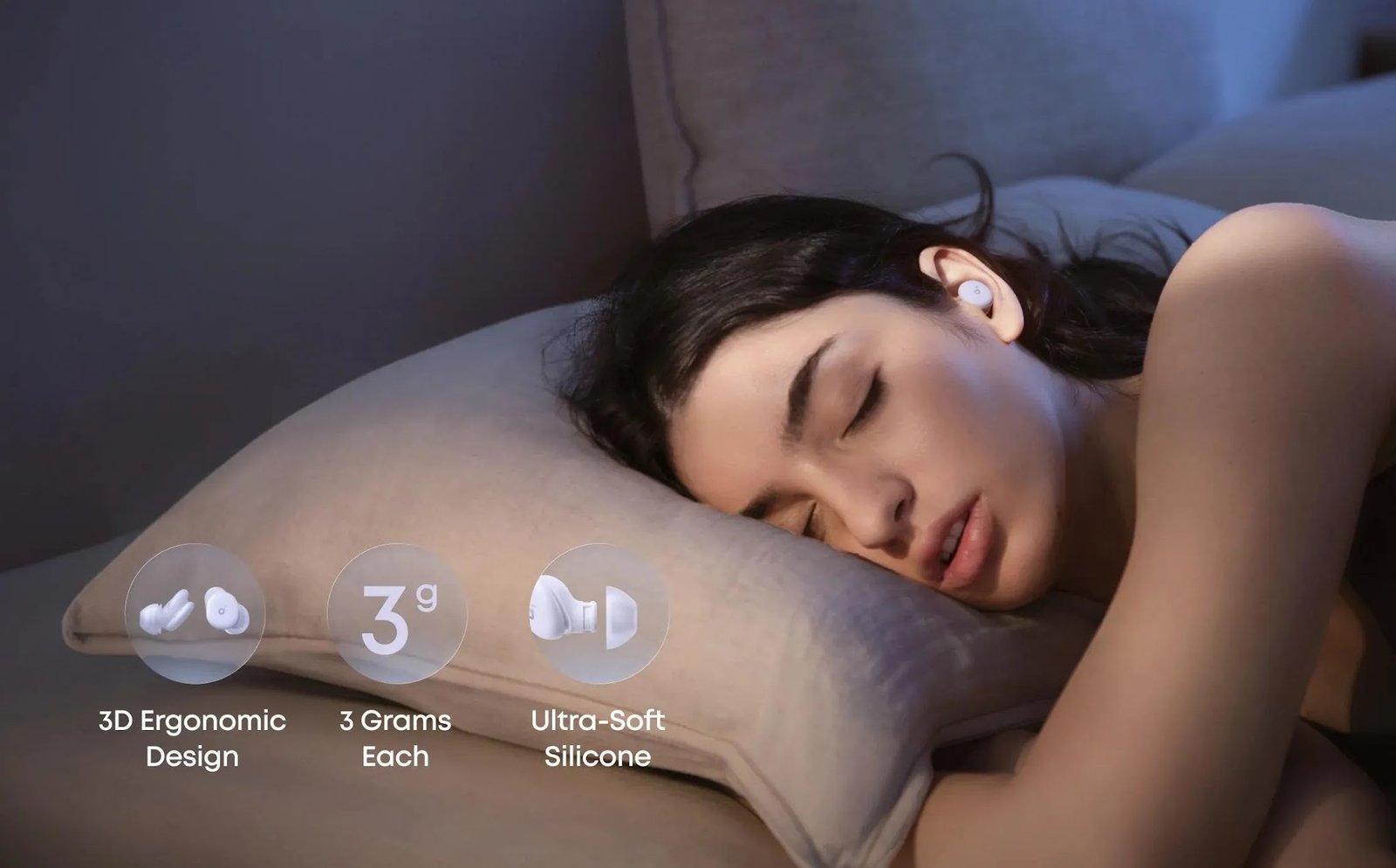
Every item in a sleep kit should earn its place in your carry-on because space, weight, and quick access all matter on a long flight. A neck pillow, light blanket, eyeshade, and small audio device cover the most common obstacles without filling a whole bag. The audio option should feel comfortable for hours and stay in place when you lean against a window or seat. soundcore earbuds for sleeping are one practical example for this part of the kit, with a compact fit for comfort and enough battery life in sleep mode to cover a long overnight journey. Test everything at home once before flying so the routine feels familiar in the air.
Recover Faster After You Land
Use daylight, meals, and gentle activity to reset your body clock after arrival instead of collapsing into a very long nap. Spend time outside in the morning, eat meals at local times, and keep caffeine away from the late afternoon. If you are very tired, a short nap can help, but keep it brief so it does not steal sleep from the following night. Resist staying up late to catch up because the body adjusts faster when the first day follows the local rhythm. A little patience makes the first days easier and protects the sleep you need for the rest of the trip.
Conclusion
Better sleep on a long-haul flight starts with realistic expectations and a plan made before boarding. The cabin will never be as restful as a bedroom, but comfort, sound, light, and timing can all be managed. Prepare your seat, use familiar audio, and keep your routine simple during the night. Carry a compact kit that lasts through the journey and test it before you travel. After landing, use daylight and local meal times to help your body adjust to the new schedule.