


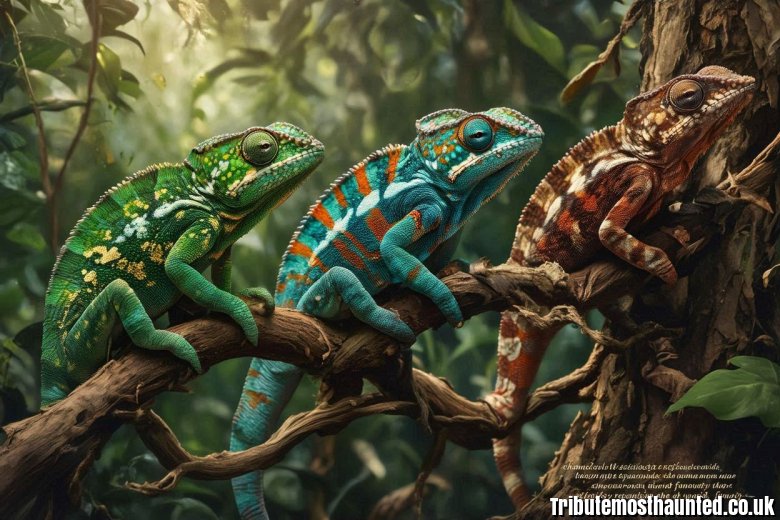
Chameleónovité, scientifically known as Chamaeleonidae, are among the most fascinating reptile families in the world. Famous for their color-changing ability, projectile tongue, and independently moving eyes, chameleons continue to attract reptile enthusiasts, researchers, and terrarium keepers in 2026.
Today, scientists recognize more than 200 species of chameleons, with the majority living across Madagascar, Africa, Southern Europe, and parts of Asia. Their unique anatomy, hunting style, and environmental adaptations make them one of the most specialized reptile groups on Earth.
What Are Chameleónovité? Basic Characteristics
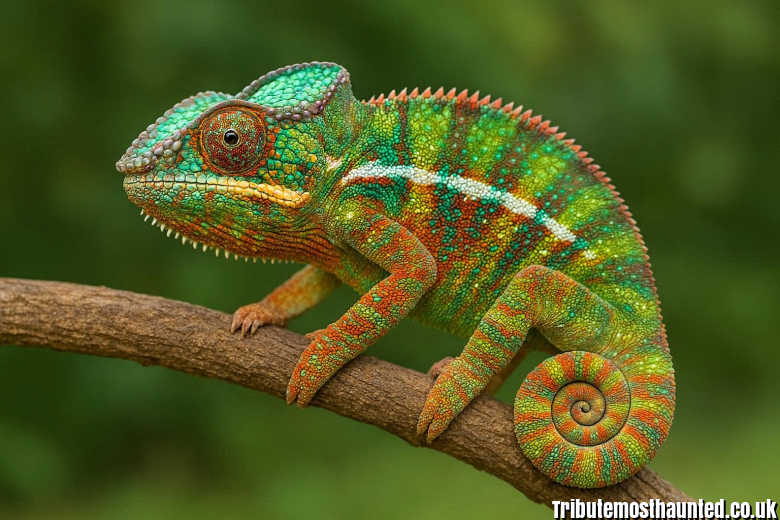
Chameleónovité belong to the reptile order Squamata, which includes lizards and snakes. This family contains well-known genera such as:
- Chamaeleo
- Furcifer
- Trioceros
- Bradypodion
- Brookesia
These reptiles are primarily arboreal, meaning they spend most of their lives in trees and shrubs.
Unique Physical Features of Chameleons
Chameleons possess several highly specialized traits:
- Zygodactyl Feet – Toes are fused into gripping structures ideal for climbing branches.
- Prehensile Tail – Acts like a fifth limb for balance and support.
- Independent Eyes – Each eye rotates separately up to 180 degrees, allowing near 360° vision.
- Projectile Tongue – Can extend up to twice body length in just 0.07 seconds.
- Color Change Ability – Used for communication, temperature regulation, and mood signaling.
Extreme Size Differences
Species size varies dramatically:
- Brookesia nana – Around 13.5 mm, among the smallest reptiles in the world.
- Furcifer oustaleti – Can grow up to 68 cm long.
Where Do Chameleónovité Live? Habitat and Distribution
Chameleons are native to the Old World, particularly tropical and subtropical regions.
Global Distribution of Chameleónovité
| Region | Example Species | Habitat |
|---|---|---|
| Madagascar | Furcifer pardalis, Brookesia | Rainforests, dry forests |
| Africa | Chamaeleo calyptratus, Trioceros jacksonii | Mountains, savannas |
| Southern Europe | Chamaeleo chamaeleon | Mediterranean shrublands |
| Asia | Chamaeleo zeylanicus | India, Sri Lanka |
| Introduced Areas | Yemen Chameleon in Florida | Subtropical gardens |
Approximately 50% of all known chameleon species live in Madagascar, making it the global hotspot for chameleon biodiversity.
Tree-Dwelling Specialists
Most species are highly adapted to tree life.
Ground-dwelling exceptions include:
- Brookesia species
- Forest-floor leaf litter chameleons
These rely heavily on camouflage.
How Do Chameleons Change Color? The Science Explained
Color changing is often misunderstood.
Contrary to popular belief, chameleons do not primarily change color for camouflage.
Main Reasons for Color Change
- Communication – Bright colors signal dominance or mating readiness.
- Temperature Regulation – Dark colors absorb heat; light colors reflect sunlight.
- Stress and Mood – Dark tones often indicate fear, illness, or submission.
- Reproductive Signals – Pregnant females display specific patterns.
The Biological Mechanism
Beneath their skin are specialized cells called chromatophores.
Research shows that chameleons alter color through:
- Nanocrystal spacing
- Light reflection changes
- Photonic crystal layers
Pigments create reds and yellows, while structural physics produces blues and whites.
Diet and Hunting: Faster Than Formula One
Chameleons are predatory reptiles.
Their diet mainly consists of:
- Crickets
- Grasshoppers
- Flies
- Roaches
- Beetles
Larger species may also eat:
- Small birds
- Lizards
- Rodents
How Chameleons Hunt
The hunting process is precise:
- Eyes lock onto prey using binocular depth perception
- Slow body approach
- Rapid tongue launch
- Sticky tongue tip captures prey instantly
The tongue accelerates at approximately 41 g-force, faster than many racing vehicles.
Water Intake Behavior
Chameleons rarely drink from bowls.
Instead, they prefer:
- Dew droplets
- Water on leaves
- Dripping water systems
In captivity, misting and drippers are essential.
Reproduction and Life Cycle of Chameleónovité
Most chameleons are oviparous, meaning they lay eggs.
Egg-Laying Species
For example:
- Chamaeleo calyptratus females may lay 20–70 eggs
- Up to three clutches per year
- Incubation ranges from 4–9 months
Live-Bearing Species
Some mountain species like Trioceros jacksonii are viviparous.
They give birth to:
- 8–30 live offspring
This adaptation helps survival in cooler climates.
Sexual Dimorphism
Male chameleons often display:
- Larger crests
- Horns
- Brighter colors
- Territorial behavior
Females may appear simpler but larger in certain species.
Most Popular Chameleon Species for Keeping in 2026
1. Yemen Chameleon (Chamaeleo calyptratus)
One of the most common pet species.
Key Facts:
- Length: 45–60 cm
- Lifespan: 5–8 years
- Beginner-friendly
- Requires UVB lighting
2. Panther Chameleon (Furcifer pardalis)
Known for incredible color diversity.
Popular morphs include:
- Ambanja Blue
- Nosy Be Turquoise
- Ambilobe Red
Requires humidity levels between 60–80%.
3. Jackson’s Chameleon (Trioceros jacksonii)
Recognized by its three horns.
Features:
- Cooler temperature preference
- Live-bearing species
- Sensitive to overheating
Terrarium Care for Chameleónovité in 2026
Chameleons are display animals, not pets meant for frequent handling.
Essential Terrarium Requirements
- Minimum Size: 60×60×120 cm
- Vertical Space: More important than floor area
- Ventilation: Mesh enclosures recommended
- Lighting: UVB 5.0 for 12 hours daily
- Humidity: 50–80%
- Basking Spot: 30–32°C
Recommended Plants
Live plants improve humidity and hiding spaces:
- Ficus benjamina
- Pothos
- Hibiscus
Feeding in Captivity
Captive diet should include:
- Crickets
- Dubia roaches
- Locusts
- Superworms
Dust insects with:
- Calcium
- Vitamin D3
- Multivitamins
Conservation and Threats Facing Chameleónovité
Over 40% of chameleon species are considered threatened.
Major Threats in 2026
- Deforestation
- Illegal pet trade
- Climate change
- Habitat fragmentation
CITES Protection
All chameleons are listed under CITES Appendix II, with some under Appendix I.
Legal ownership requires:
- Documentation
- Captive-bred sourcing
- Ethical purchasing
Conservation programs are currently protecting species like:
- Furcifer campani
- Brookesia nana
Interesting Facts About Chameleons
Some surprising facts include:
- Chameleons can detect UV light
- They have no visible ear openings
- Brookesia micra fits on a match head
- Meller’s Chameleon tongue may exceed 60 cm
- Stress can significantly impact health
Why Chameleónovité Continue to Fascinate in 2026
Chameleónovité remain one of nature’s most extraordinary reptile families. Their evolutionary adaptations, color-changing biology, and highly specialized lifestyles make them unlike any other lizard species.
Whether studied in the wild or kept responsibly in captivity, chameleons reward patience with behaviors that are both beautiful and scientifically remarkable. In 2026, they continue to inspire reptile lovers, conservationists, and exotic pet enthusiasts worldwide.