


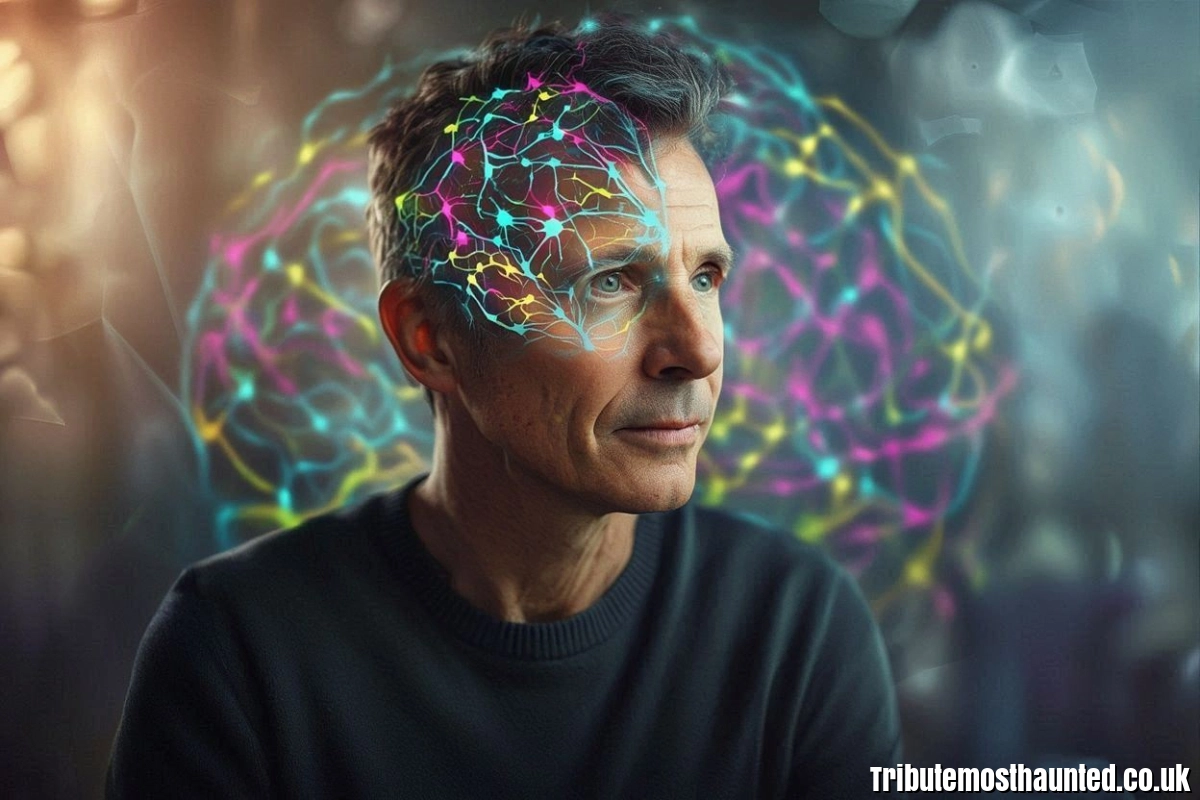
In 2026, the conversation around how human brains function has moved far beyond traditional labels of “normal” and “disordered.” A growing global movement now recognizes neurodifferent individuals as part of the natural spectrum of human diversity. Rather than focusing on deficits or limitations, this perspective highlights variation, strengths, and the importance of designing environments that support all cognitive styles.
The term neurodifferent has gained momentum in online communities, education, workplaces, and advocacy spaces as a more neutral and affirming way of describing people whose brains process information differently from dominant societal expectations. It sits alongside established terms like neurodivergent and neurodiversity but adds a softer linguistic framing that emphasizes difference without hierarchy.
This shift is not just about language—it reflects a deeper cultural transformation. Schools are rethinking teaching methods, employers are redesigning workspaces, and society is gradually learning that cognitive differences are not problems to be fixed, but variations to be understood and supported.
What Does Neurodifferent Mean?
The term neurodifferent describes individuals whose brains function in ways that differ from what society labels as “typical” neurological processing. This includes differences in attention, learning, communication, sensory experience, and emotional regulation. Importantly, it is not a medical diagnosis but an identity-affirming descriptor often used in self-identification and community discussions.
Unlike clinical language that can sometimes feel restrictive or deficit-focused, neurodifferent emphasizes neutrality. It does not suggest superiority or inferiority—only variation. This makes it especially appealing in modern conversations about mental health and neurodiversity.
People who identify as neurodifferent may include autistic individuals, people with ADHD, dyslexia, dyspraxia, or other cognitive variations. However, the term is intentionally broad and flexible, allowing individuals to define their own experiences rather than fitting into rigid categories.
Neurodifferent vs Neurodivergent and Neurotypical
To understand neurodifferent, it helps to compare it with related terms:
- Neurotypical refers to individuals whose cognitive functioning aligns closely with dominant societal expectations.
- Neurodivergent describes people whose neurological development diverges from these norms.
- Neurodifferent is often used as a more neutral or accessible alternative, emphasizing difference without implying deviation or disorder.
While neurodivergent is widely accepted in academic and advocacy spaces, neurodifferent is gaining popularity in 2026 for its softer tone and inclusive framing. Many individuals use both terms interchangeably depending on context.
Neurodiversity Movement in 2026
The neurodiversity movement has become one of the most influential social inclusion frameworks of the decade. In 2026, it is no longer limited to online advocacy—it is shaping education policy, workplace design, healthcare communication, and media representation.
At its core, the movement argues that neurological differences are part of natural human variation. Rather than being viewed solely as disorders, conditions like autism or ADHD are understood as different ways of thinking and experiencing the world.
This perspective has led to significant cultural change. Organizations increasingly prioritize accessibility, schools adopt flexible learning strategies, and public awareness campaigns challenge outdated stereotypes about cognitive differences.
Origins and Evolution of the Concept
The foundation of neurodiversity is often credited to sociologist Judy Singer in the late 1990s. Her work reframed autism and related conditions as part of human biodiversity rather than medical abnormalities requiring correction.
Over time, activists and communities expanded the idea to include a broader range of neurological differences. By 2026, this has evolved into a global movement advocating for inclusion, acceptance, and systemic change rather than “cure-based” approaches.
Conditions and Experiences Under the Neurodifferent Umbrella
The term neurodifferent is intentionally inclusive and non-restrictive. It does not define a medical category but instead describes a wide range of cognitive and neurological experiences.
Core Neurodevelopmental Differences
Some of the most commonly included experiences are:
- Autism Spectrum Condition
- ADHD (Attention Deficit Hyperactivity Disorder)
- Dyslexia, Dyscalculia, and Dysgraphia
- Dyspraxia (Developmental Coordination Differences)
These conditions often influence how individuals process information, interact socially, and manage executive functioning tasks.
Co-occurring and Overlapping Conditions
Many neurodifferent individuals experience multiple overlapping traits, such as AuDHD (autism + ADHD). Others may experience sensory processing differences, Tourette syndrome, or perceptual variations like synesthesia.
It is important to note that neurodifferent is not a clinical umbrella—it is a community and identity-based framework, not a diagnostic one.
Strengths of Neurodifferent Minds
One of the most powerful shifts in 2026 is the growing focus on strength-based thinking. Instead of defining individuals by limitations, the neurodiversity perspective highlights abilities and unique contributions.
Cognitive and Creative Advantages
Many neurodifferent individuals demonstrate exceptional abilities in areas such as:
- Pattern recognition and systems thinking
- Creative problem-solving and innovation
- Deep focus or “hyperfocus” states
- Exceptional memory in specific domains
These traits are increasingly valued in fields like technology, design, research, and entrepreneurship.
Emotional and Social Strengths
Neurodifferent individuals may also exhibit:
- Strong sense of justice and fairness
- Deep empathy in specific contexts
- Loyalty and authenticity in relationships
- Heightened awareness of detail and nuance
These strengths challenge outdated stereotypes and highlight the diversity of human intelligence.
Challenges and Common Misconceptions
Despite progress, neurodifferent individuals still face challenges, largely due to environments not designed for cognitive diversity.
Common difficulties include sensory overload, communication mismatches, and rigid systems that do not accommodate different processing styles. However, these challenges often stem from environmental barriers rather than inherent deficits.
Myths About Neurodifferent People
Several misconceptions persist:
- That neurodifferent individuals lack intelligence (false)
- That they cannot succeed in professional environments (false)
- That they need to be “fixed” (outdated and harmful belief)
Modern understanding emphasizes support, adaptation, and inclusion rather than correction.
Neurodifferent in Education Systems
Education systems in 2026 are gradually evolving to better support neurodifferent learners. Traditional one-size-fits-all models are being replaced with more flexible and individualized approaches.
Schools now increasingly recognize that students learn differently and may require varied teaching methods to thrive.
Inclusive Learning and School Adjustments
Common adaptations include:
- Flexible deadlines and assessment formats
- Sensory-friendly classrooms
- Assistive learning technology
- Personalized learning plans
These changes help reduce stress and improve academic outcomes for neurodifferent students.
Neurodifferent in the Workplace (2026)
Workplaces are undergoing significant transformation as awareness of neurodiversity grows. Many companies now implement neuroinclusion programs designed to attract and support neurodifferent talent.
Hiring Programs and Workplace Inclusion
Organizations are introducing:
- Neurodiversity hiring initiatives
- Structured interview processes
- Training for managers on cognitive differences
These efforts aim to create fairer recruitment systems that focus on skills rather than social conformity.
Practical Accommodations at Work
Common workplace supports include:
- Quiet workspaces or remote work options
- Clear written instructions
- Flexible scheduling
- Reduced sensory distractions
Such adjustments often improve productivity for all employees, not just neurodifferent individuals.
Identity, Language, and the Future of Neurodifferent
Language plays a powerful role in shaping identity. The term neurodifferent reflects a shift toward more inclusive and human-centered communication.
Why the Term “Neurodifferent” Matters Today
In 2026, many people prefer neurodifferent because it feels:
- Less clinical
- Less hierarchical
- More affirming and human-centered
It helps individuals move away from deficit-based narratives and toward self-acceptance and pride in cognitive diversity.
As society continues evolving, the future of neurodifferent identity is likely to focus on greater inclusion, stronger representation, and systemic accessibility changes across all sectors.