


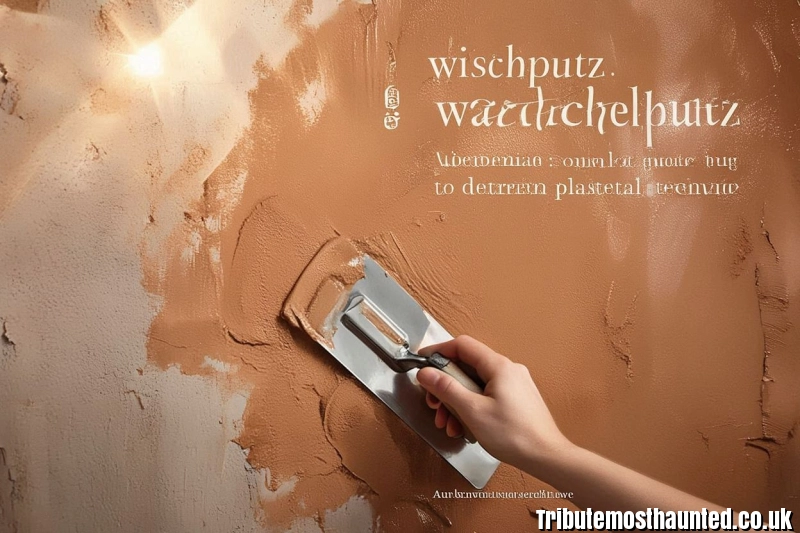
What is Wischputz?
Wischputz, also known as Waschelputz, is a decorative plastering technique widely used in modern interior and exterior design. The term comes from the German word “wischen” (to wipe), which perfectly describes the finishing process—where freshly applied plaster is gently wiped or smoothed to create a refined surface.
Unlike rough plaster styles, Wischputz produces a smooth, even, and subtly textured finish that reflects light beautifully. It is important to understand that Wischputz is not a specific material, but rather a finishing method applied to suitable plaster types. The result often appears handcrafted, natural, and elegant, making it popular in both contemporary and rustic design aesthetics.
In some traditional applications, especially in cellars or older buildings, Wischputz may be applied very thinly, allowing the underlying masonry to remain partially visible for a raw, authentic look.
Types of Plaster Suitable for Wischputz
Not every plaster can achieve the desired Wischputz effect. The material must have a creamy, workable consistency that allows smooth wiping without tearing.
Best Plaster Options
- Lime plaster (Kalkputz) – breathable and mold-resistant
- Lime-cement plaster (Kalkzementputz) – durable and versatile
- Clay plaster (Lehmputz) – eco-friendly and natural
- Gypsum plaster (Gipsputz) – smooth and easy to work with
- Synthetic resin plaster (Dispersionsputz) – ideal for exterior use
Less Suitable Types
Coarse plasters like Natursteinputz or Rustikalputz are generally avoided because their heavy grain prevents smooth wiping.
For bathrooms and kitchens, lime-based plasters are preferred due to their moisture-regulating properties, while silicone or silicate plasters are better suited for outdoor conditions.
Tools and Materials Required
Achieving a professional Wischputz finish requires the right tools and preparation. The process is relatively simple but demands attention to detail.
Essential Tools
- Trowel (Kelle) for applying plaster
- Smoothing trowel (Glättkelle) for leveling
- Sponge or sponge board (Schwammbrett) for wiping
- Buckets, masking tape, and mixing tools
The wiping step is crucial and typically done using a damp sponge or cloth, which creates the final texture and smoothness.
Step-by-Step Wischputz Application Process
Applying Wischputz is achievable for skilled DIY enthusiasts, but timing plays a critical role in achieving the perfect finish.
1. Surface Preparation
Ensure the wall is clean, stable, and dust-free. Apply a primer if the surface is highly absorbent.
2. Mixing the Plaster
Prepare a smooth, lump-free mixture according to the manufacturer’s instructions. The consistency should be neither too thick nor too runny.
3. Applying the Plaster
Spread the plaster evenly using a trowel, maintaining a layer thickness of 2–5 mm. Work in small sections to prevent drying issues.
4. Wiping Technique
Once the plaster is slightly set but still damp, use a moistened sponge to wipe the surface. Circular, vertical, or diagonal motions create different textures.
5. Drying and Finishing
Allow the surface to dry completely. Optional finishing includes painting or sealing for added durability.
Advantages of Wischputz
Wischputz offers a unique combination of aesthetic appeal and functional benefits, making it a preferred choice in modern construction.
- Creates smooth, uniform surfaces with minimal cracks
- Enhances light reflection and visual depth
- Improves indoor air quality with breathable materials
- Offers versatile design options (modern, rustic, Mediterranean)
- Reduces dust accumulation due to surface densification
Its ability to combine beauty with practicality makes it highly desirable for both homes and commercial spaces.
Disadvantages and Key Considerations
Despite its advantages, Wischputz requires careful execution and planning.
- Timing is critical—too early or too late wiping can ruin the finish
- Not all plaster types are compatible
- Thin applications may offer less protection in certain environments
- Outdoor use requires weather-resistant materials
For large-scale or high-end projects, hiring a professional plasterer is often recommended to ensure consistent results.
Conclusion
Wischputz (Waschelputz) remains one of the most versatile and visually appealing plastering techniques in 2026. Its ability to create smooth, handcrafted finishes while supporting healthy indoor environments makes it a top choice for architects and homeowners alike. Whether you’re aiming for a modern minimalist wall or a warm rustic texture, Wischputz offers a timeless solution that blends tradition with innovation.